40+ YEARS DELIVERING INDUSTRIAL FLOORING SOLUTIONS ACROSS THE UK

FREE NO OBLIGATION
SURVEY, CONSULTATION & QUOTE

WE MANAGE IT ALL
FROM CONSULTATION TO COMPLETION

Why Choose Polyurethane Resin Flooring?
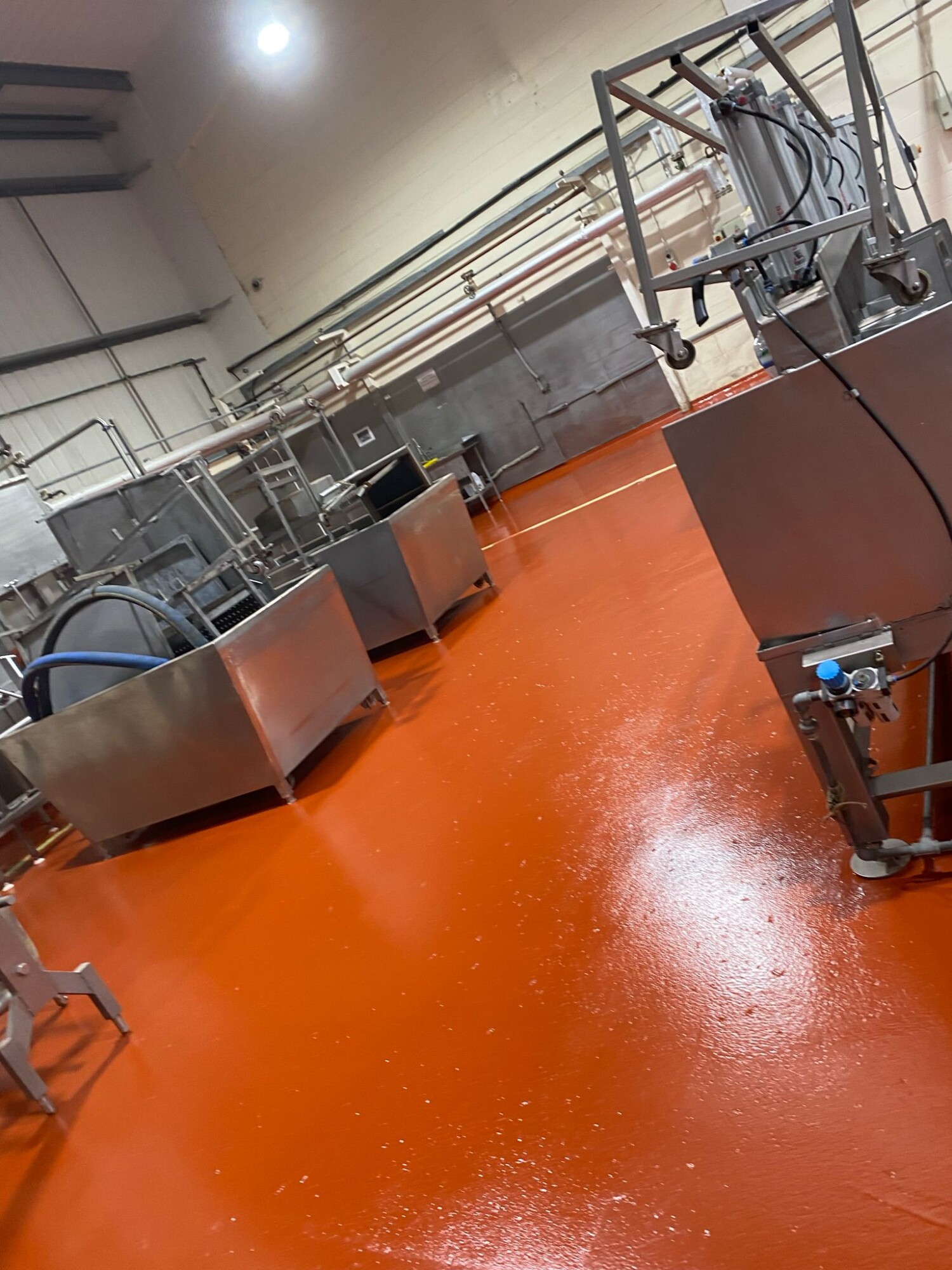
Hygienic polyurethane floor coatings are particularly well suited to healthcare facilities, commercial kitchens, pharmaceutical environments and leisure centres due to their durability, resilience and seamless finish. In areas exposed to moisture, frequent cleaning or stringent hygiene requirements, polyurethane and epoxy resin systems provide an easy-to-clean, antibacterial surface that supports high standards of cleanliness. Anti-slip finishes can also be incorporated to enhance safety in wet or demanding environments.
CHOOSING THE RIGHT ESD RESIN FLOORING SYSTEM.
Diamond offers comprehensive solutions, including the implementation of slopes, falls, and drainage systems to manage excess water effectively. By protecting the underlying concrete structure, polyurethane flooring prevents water damage and ensures long-term structural integrity.
The steam-cleanable nature of polyurethane resin flooring, with its tolerance of temperatures up to 130 degrees, facilitates thorough cleaning, eliminating product residue and contamination build-up effectively.
In summary, Diamond’s hygienic resin flooring solutions, particularly polyurethane-based systems, provide businesses with durable, resilient, and easy-to-maintain flooring options, ensuring high standards of health, safety, and hygiene are consistently met in commercial environments.
BENEFITS OF HYGIENIC FLOOR COATINGS
Hygienic resin flooring provides a seamless, hard-wearing surface specifically designed for environments where cleanliness, safety, and long-term performance are essential. Its non-porous finish helps prevent the build-up of dirt, bacteria, mould, and contaminants, making it easier to maintain high standards of hygiene and comply with strict industry regulations.
Highly resistant to chemicals, stains, moisture, and heavy wear, hygienic resin flooring is capable of withstanding demanding daily operations, frequent washdowns, and intensive cleaning regimes without deteriorating. Its seamless construction eliminates joints and grout lines where bacteria can harbour, reducing maintenance requirements and improving overall sanitation.
In addition to its hygienic properties, resin flooring can be enhanced with anti-slip finishes to improve safety in wet or spill-prone areas, helping to minimise the risk of slips and falls. It also offers excellent durability, reducing the need for repairs and replacements and providing a cost-effective flooring solution over its lifespan.
Whether installed in healthcare facilities, pharmaceutical production areas, commercial kitchens, food and beverage processing plants, laboratories, or industrial settings, hygienic resin flooring delivers a dependable, long-lasting solution that meets the rigorous demands of modern commercial environments while supporting a cleaner, safer workplace.
Having searched the web for local floor refurbishment companies we came across a few which included Diamond Resin, having asked for quotations from a few and carried out site visits we found the finish from Diamond Resin to be the best option. Gerry, their project manager came across as very enthusiastic and cost reasonable against other quotations.
We found Diamond Resin to be a very professional company. Floor coating for ITV News quote to completion. They completed the painting of our new studio floor on time, for a competitive price to a very high standard. We would use them again without hesitation.
Diamond Resin previously undertook works at two blocks that we manage. The service provided was excellent from start to finish and prices were competitive. All works were completed to a high standard and any snagging was dealt with in a timely manner.





HYGIENIC WALL COATINGS
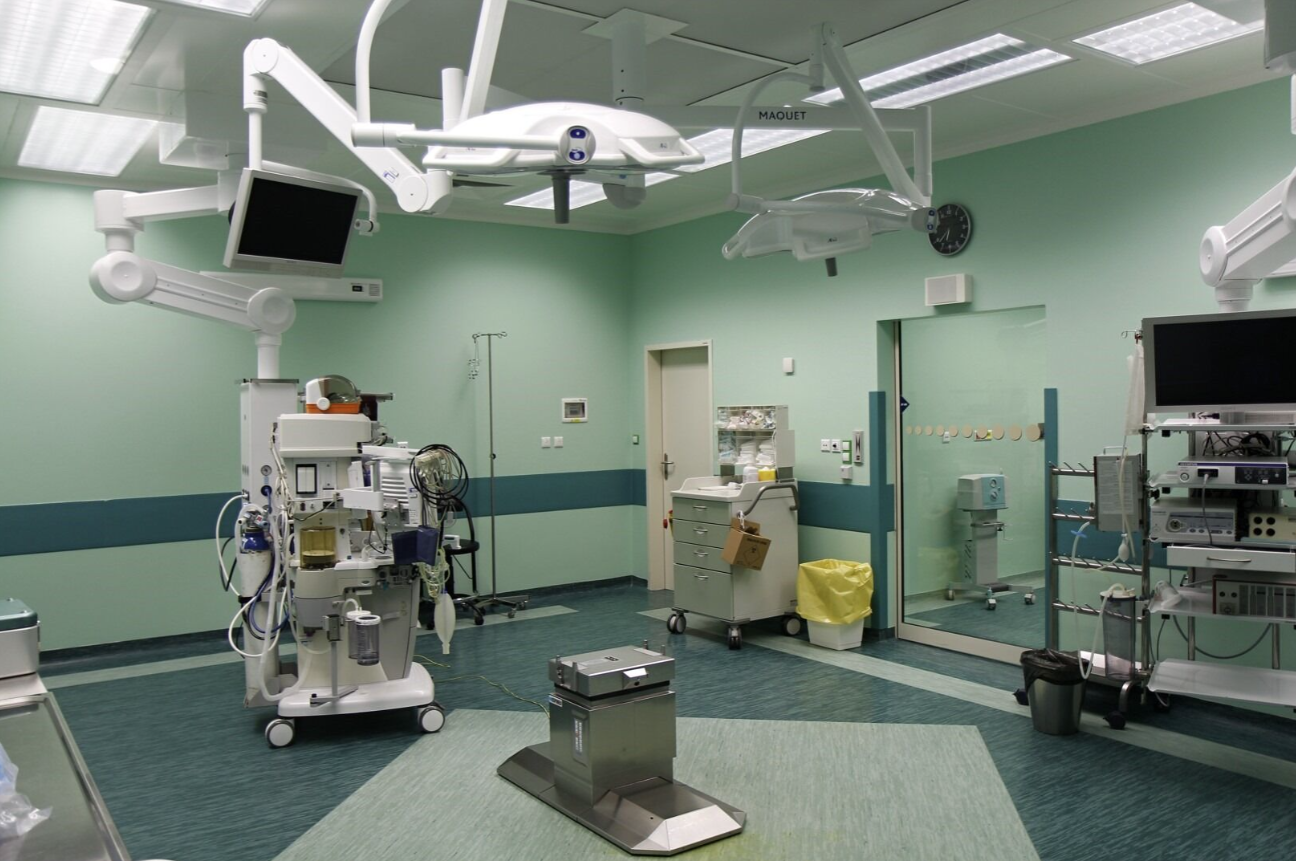
Hygienic wall coatings are specialised coatings applied to walls in various settings, particularly in industries where cleanliness and hygiene are paramount, such as healthcare facilities, food processing plants, laboratories, pharmaceutical facilities, and cleanrooms.
Hygienic wall coatings play a crucial role in maintaining cleanliness, hygiene, and safety in various industrial and commercial environments. With their seamless, durable, and easy-to-clean properties, these coatings provide an effective solution for protecting walls and ensuring compliance with stringent hygiene standards.
Purpose:
The primary purpose of hygienic wall coatings is to create a smooth, seamless, and easily cleanable surface that helps to maintain high standards of hygiene and prevent the growth of bacteria, mould, and other contaminants. These coatings also protect the underlying wall substrate from damage and provide resistance to chemicals, moisture, and abrasion.
Materials:
Hygienic wall coatings are typically made from durable and non-porous materials such as epoxy or polyurethane resins. These materials offer excellent adhesion to various substrates, including concrete, plaster, drywall, and masonry, ensuring long-lasting performance and durability.
Installation:
The installation of hygienic wall coatings typically involves several steps, including surface preparation, application of the primer, application of the coating material, and curing. Proper surface preparation is essential to ensure adhesion and durability of the coating. The coatings can be applied using spray, roller, or brush techniques, depending on the specific requirements of the project.
Features:
Seamless and Non-Porous: Hygienic wall coatings create a seamless and non-porous surface that prevents the penetration of water, moisture, and contaminants, making them easy to clean and maintain.
Chemical Resistance: These coatings are resistant to a wide range of chemicals commonly used in industrial and healthcare environments, including disinfectants, detergents, and solvents.
Impact Resistance: Hygienic wall coatings provide protection against impact and abrasion, ensuring that the walls remain intact and free from damage even in high-traffic areas.
Antimicrobial Properties: Some hygienic wall coatings are formulated with antimicrobial additives that inhibit the growth of bacteria, mould, and mildew, further enhancing the hygiene of the environment.
Applications:
Hygienic wall coatings are used in a wide range of applications, including:
Healthcare facilities: Hospitals, clinics, laboratories, and medical offices.
Food processing plants: Commercial kitchens, food preparation areas, and food storage facilities.
Cleanrooms: Pharmaceutical manufacturing facilities, semiconductor cleanrooms, and research laboratories.
Industrial facilities: Manufacturing plants, chemical processing facilities, and warehouses.
HYGIENIC FLOOR COATING: WHAT TO EXPECT…
At Diamond Resin, we follow a proven 8-step process designed to keep you informed at every stage, ensuring a seamless experience from your first enquiry to final handover and aftercare.
RELATED SERVICES
HYGIENIC FLOORING SPECIALISTS
HYGIENIC FLOORING: FREQUENTLY ASKED QUESTIONS
Quick answers to the questions we get asked most about our hygienic floor coatings — from downtime and load capacity to safety, installation and lead times.
How quickly can the floor be back in use?
Standard epoxy is typically walk-on in 12–24 hours and full-traffic in 3–7 days. Where downtime is critical, our fast-cure MMA systems return to full traffic in 1–2 hours — so we can work overnight or zone-by-zone around live operations.
Can you install while we keep operating?
Yes. Most installs are phased — we section off areas, work nights or weekends, and sequence the install so racking and traffic keep moving. We plan the programme around your operation at the survey stage.
How long will the floor last?
With the right specification and proper preparation, our resin floors typically last 10+ years in heavy-duty environments. Every installation is backed by a workmanship guarantee.
Do you handle surface preparation and repairs?
Yes — full surface preparation is always included: shot-blasting or diamond grinding, joint and crack repair, moisture testing, and substrate priming.